Barbara J. Allens
バーバラ . エレンス USA · Ceramics · Nanto, Toyama期間: 南砺市にて2日間
Barbara J. Allens
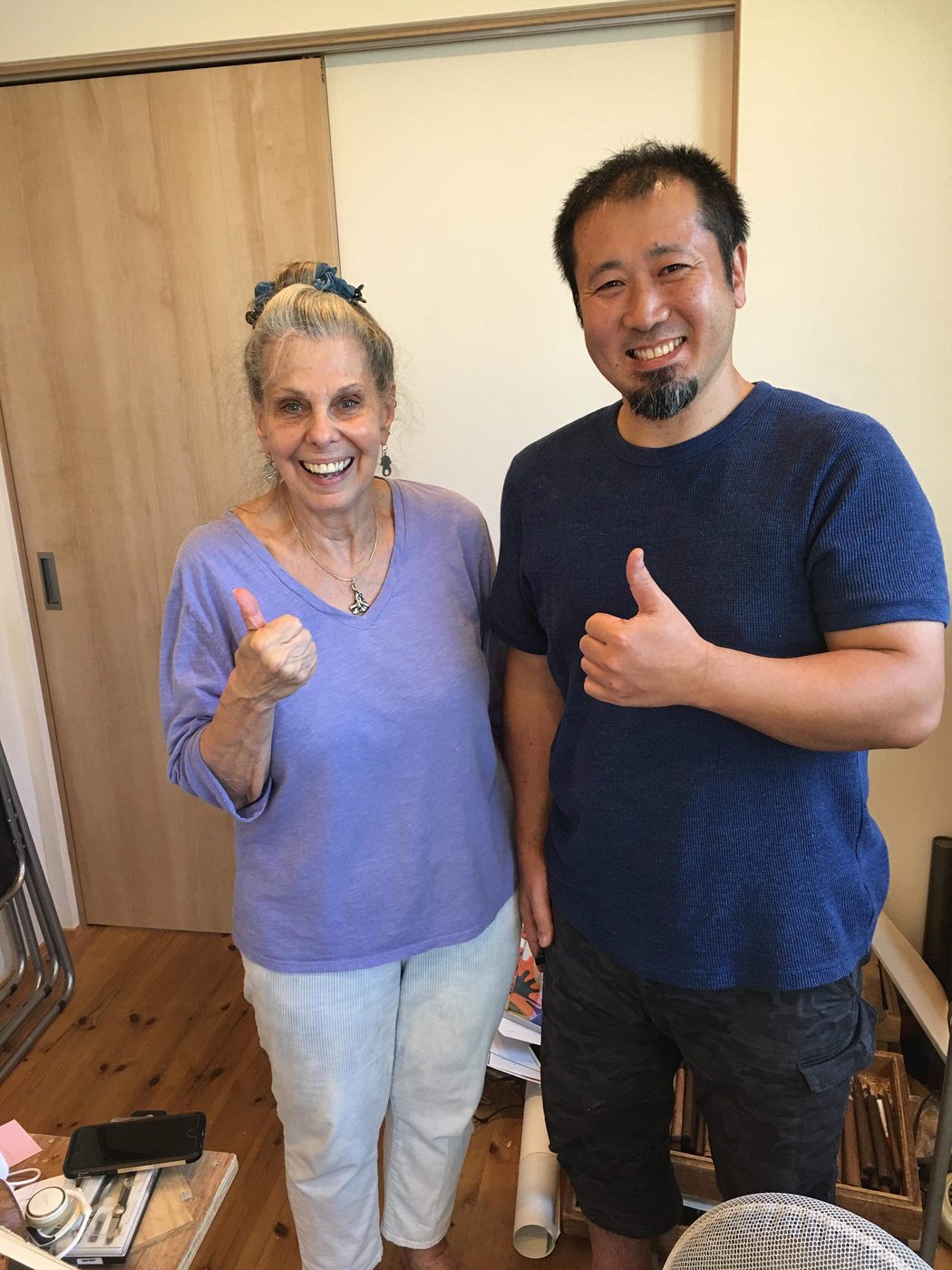
US Ceramist Barbara Allens with Inami Woodcarving Artisan Mr. Yoshisasda Ishihara
"Crossing cultures as artists through open dialogue and mutual respect, I find that our commitment and dedication to our craft make us more alike than different. This simple yet profound understanding can make the world a better place." - Barbara J. Allens
「アーティストとして、オープンな対話と相互尊敬を通して異文化に接する中で、互いの手仕事に対するコミットメントと献身的な姿勢が、私達を異なるというより似たもの同士である、と気付かせてくれました。単純でありながら意味の深い、この共通点は、世界をより良い場所にすることが出来る。」
I have been a practicing ceramic artist and arts educator for more than 30 years. I have researched and studied throughout Europe, West Africa and Asia in order to both hone my craft and better understand the lives and cultures of my students who attend the highly diverse urban secondary school where I teach in the United States.
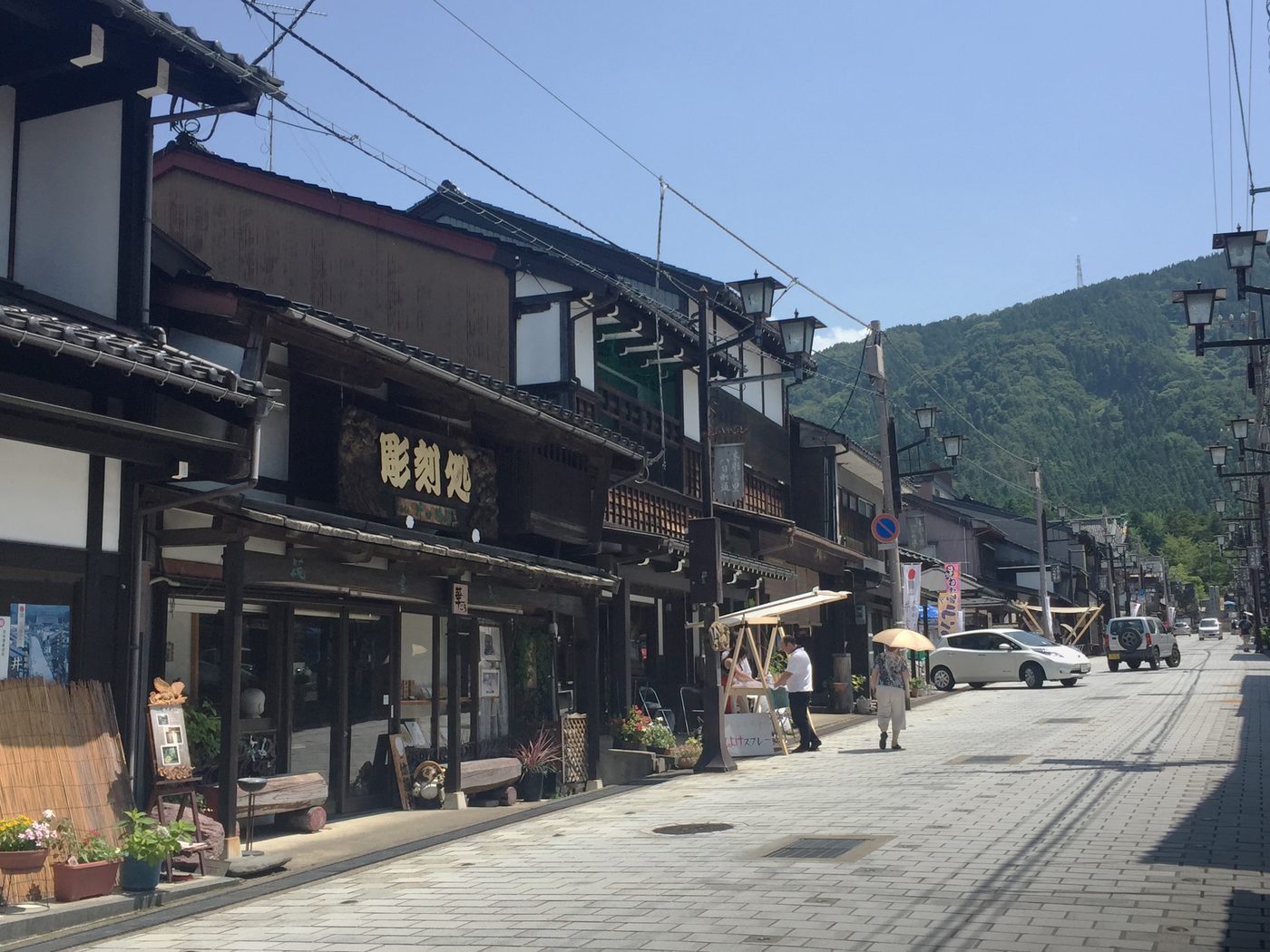
The craft street of Inami, Nanto — virtually every shopfront is a working woodcarving studio
Coming to Inami under the guidance of Miki Tam, creator of Taketombo was a life changing experience. Through her expertise, I visited the Inami art Museum, workshops in the town, spoke with craftsman, experienced the local cuisine, and spent a magical afternoon at the Zuisenji Temple. Ms. Tam was able to go into great depth about the history of the temple by reading and translating much of the text that is extant within the structure. Having the privilege of being guided by a fellow artist/designer made the experience all the more meaningful as we marveled over the patterns created by centuries of footsteps on the smooth wooden floors and discussed the significance of the architecture, elaborate carvings and religious imagery.
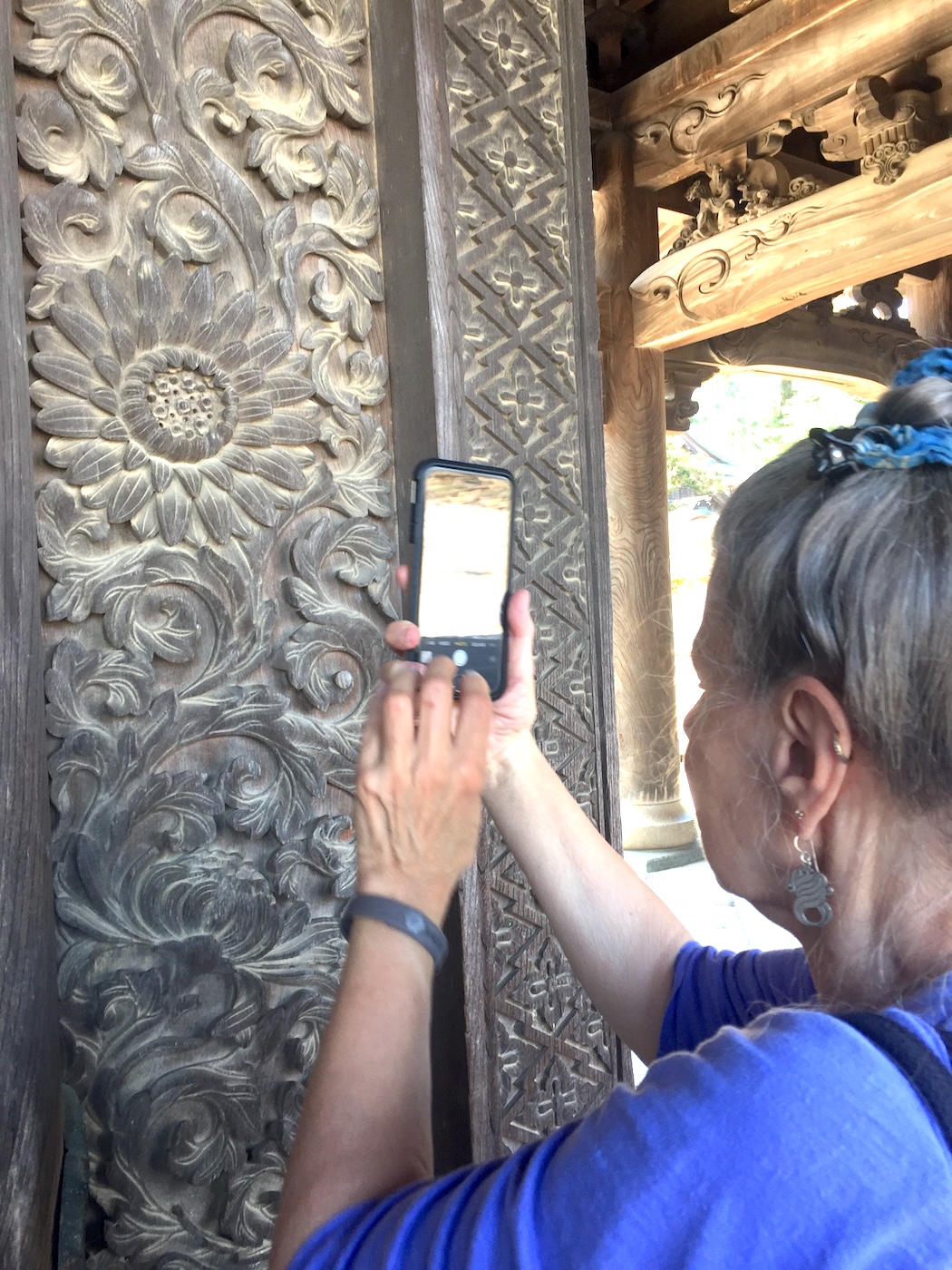
Zuisenji Temple, Inami — Barbara documenting centuries of woodcarving detail
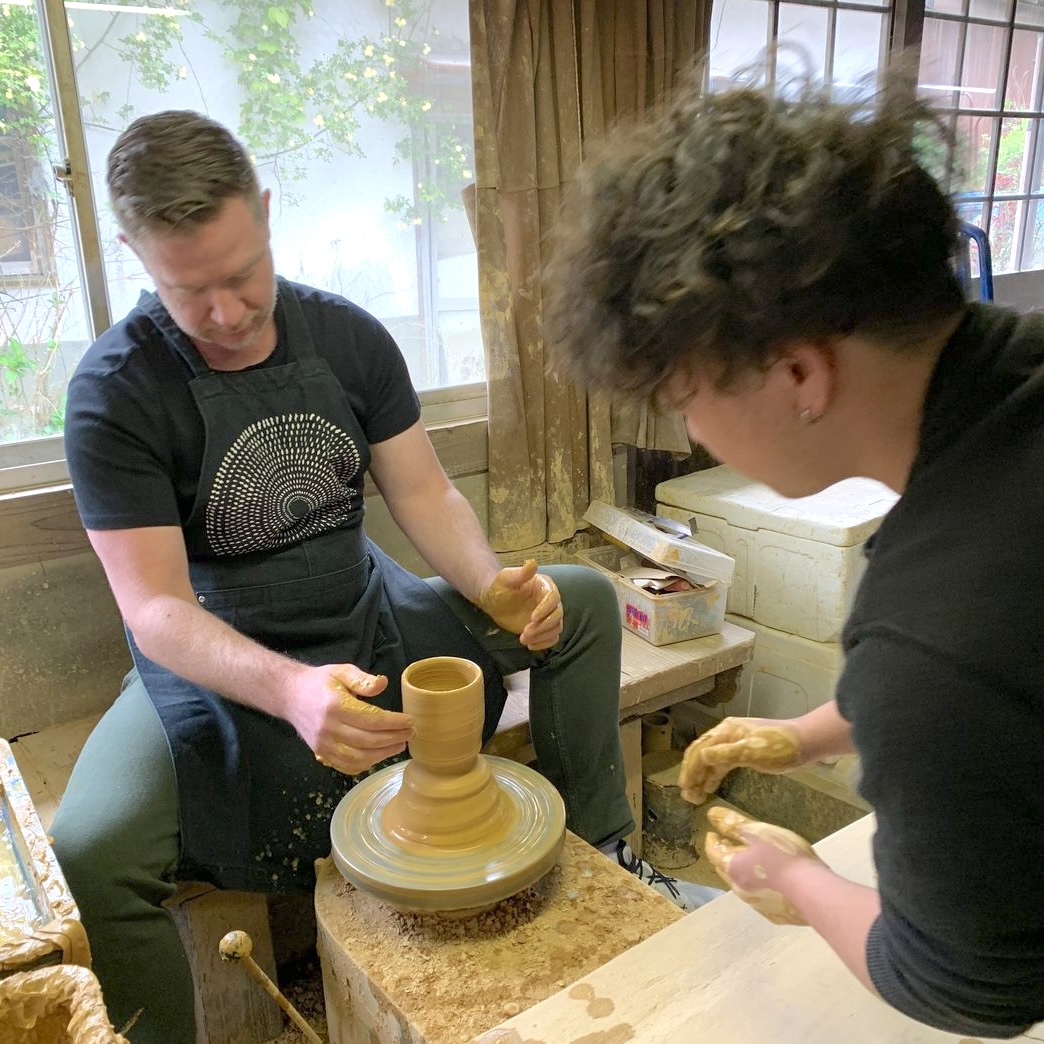
The highlight of my stay was being personally introduced to the world of Shokunin (Japanese craftsman) by spending a day with Mr. Yoshisada Ishihara a master woodcarver. Of special interest to me was meeting a woodcarver who first worked in clay, painstakingly modeling each Buddha sculpture and plotting out each chiseled wood cut through a number system that indicated height, width and depth.
The clay sculptures revealed a new way of approaching my work. They were an art unto themselves, yet to Mr. Yoshisada, they were only a means to an end and were reduced to the waste bucket when no longer needed.
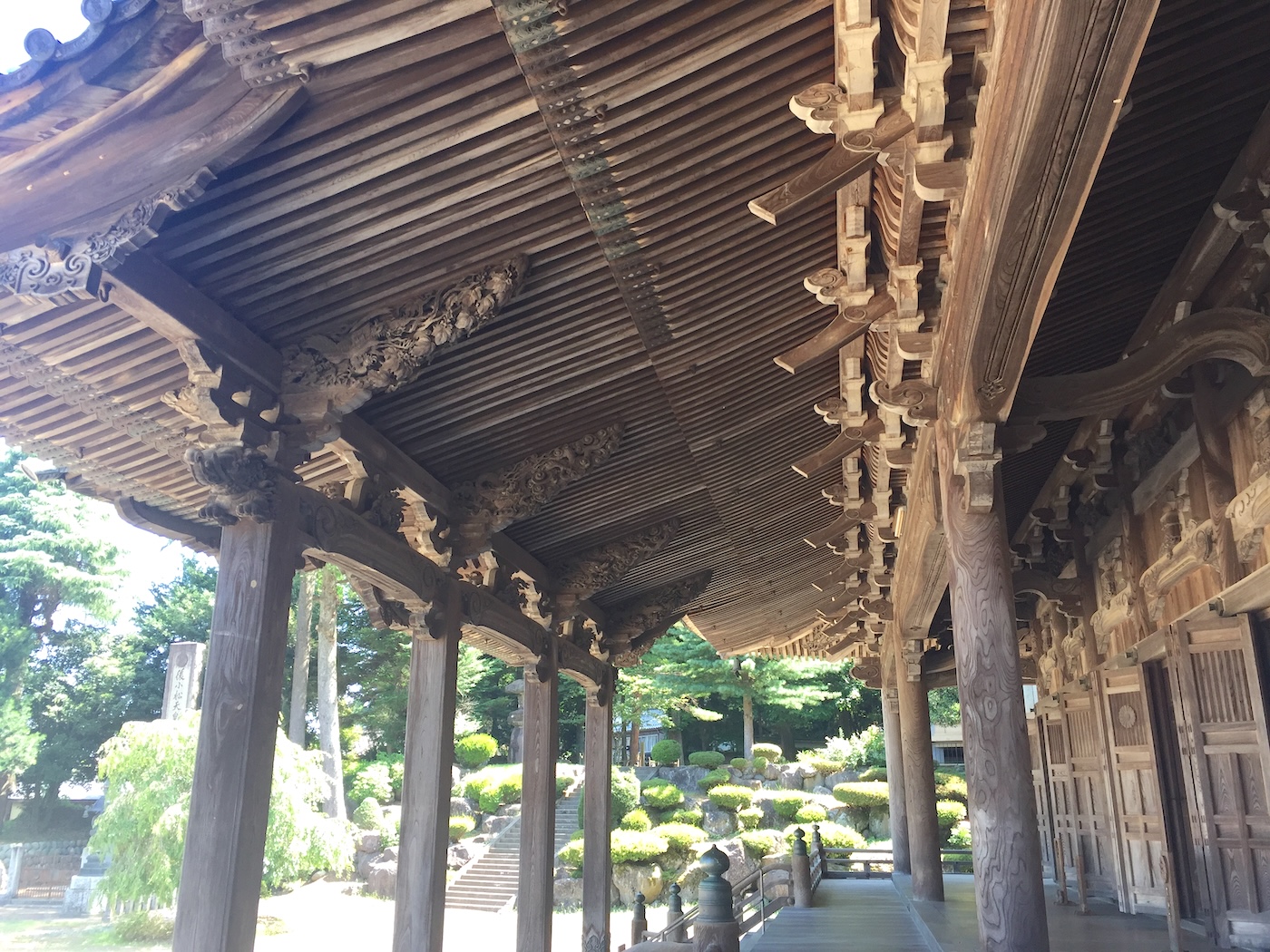
Zuisenji Temple carved eaves
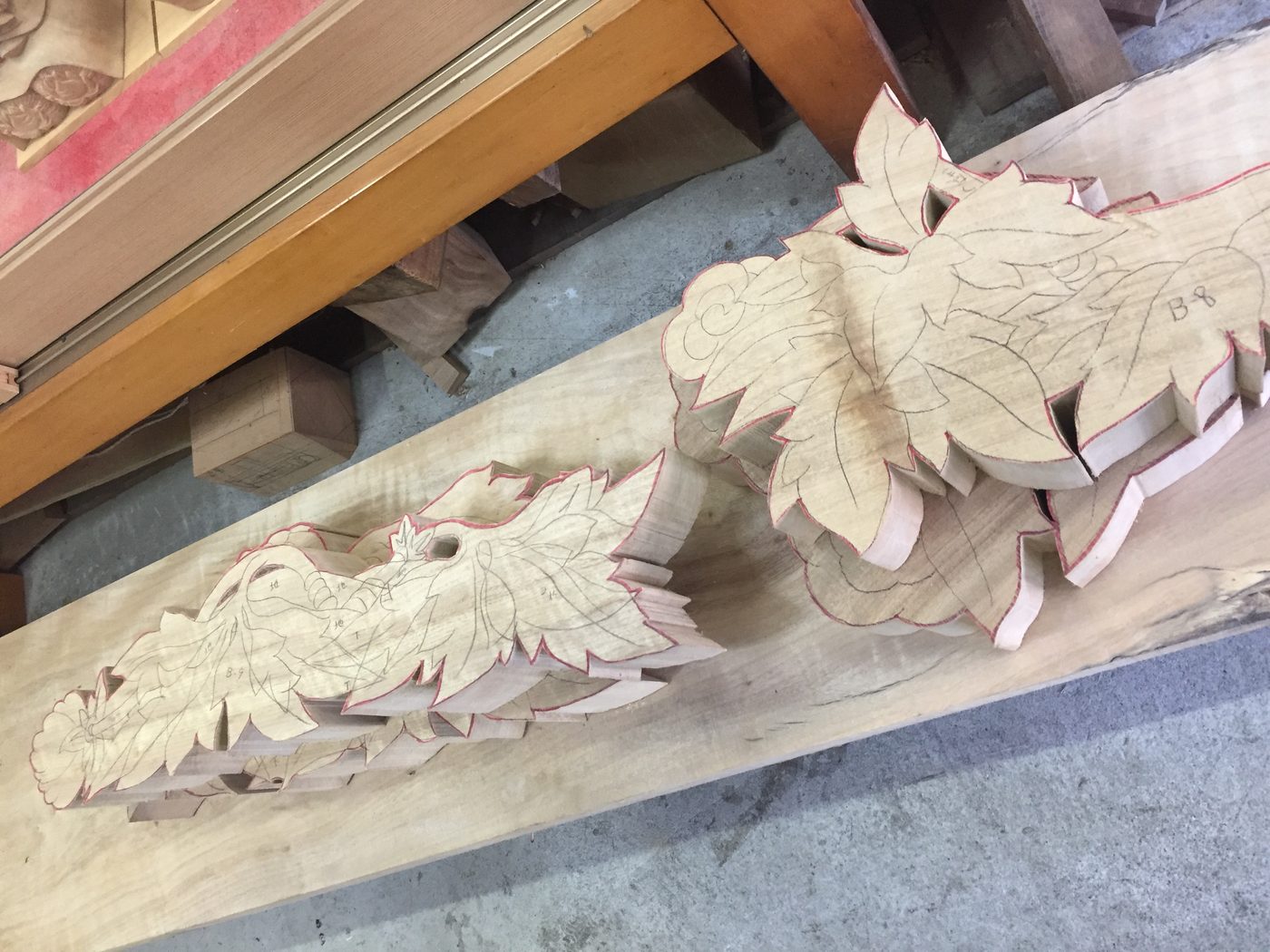
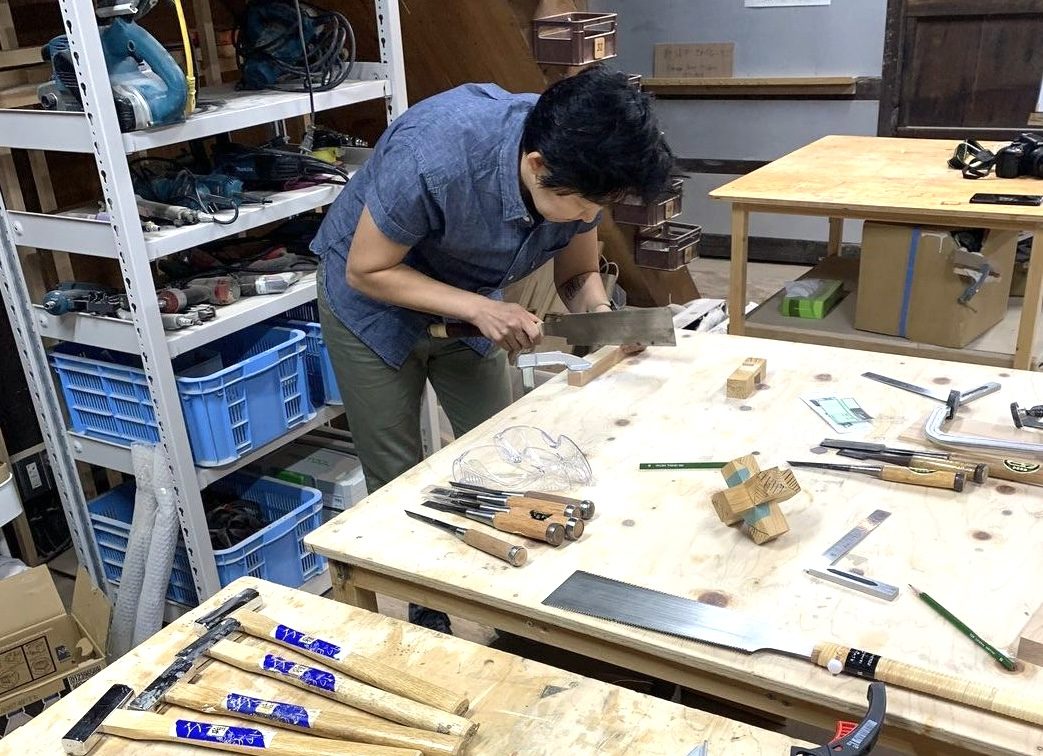
A piece in progress at an Inami master's studio
The conversation that followed, much of which was translated between us by Ms. Tam, will forever change my teaching practice of students from this region of the world. The cultural differences in our approach to the art making process and the methodology and philosophy of crafts education invited an eye opening exchange of ideas. Added to this, the Western verses the Eastern approach to individuality, tradition, aesthetics, and the different cultural methodology of student/teacher relationship all made for a lengthy thought provoking academic exchange that I am still reflecting upon a year later.
Crossing cultures as artists through open dialogue and mutual respect we find that our commitment and dedication to our craft makes us more alike then different. This simple yet profound understanding can make the world a better place.
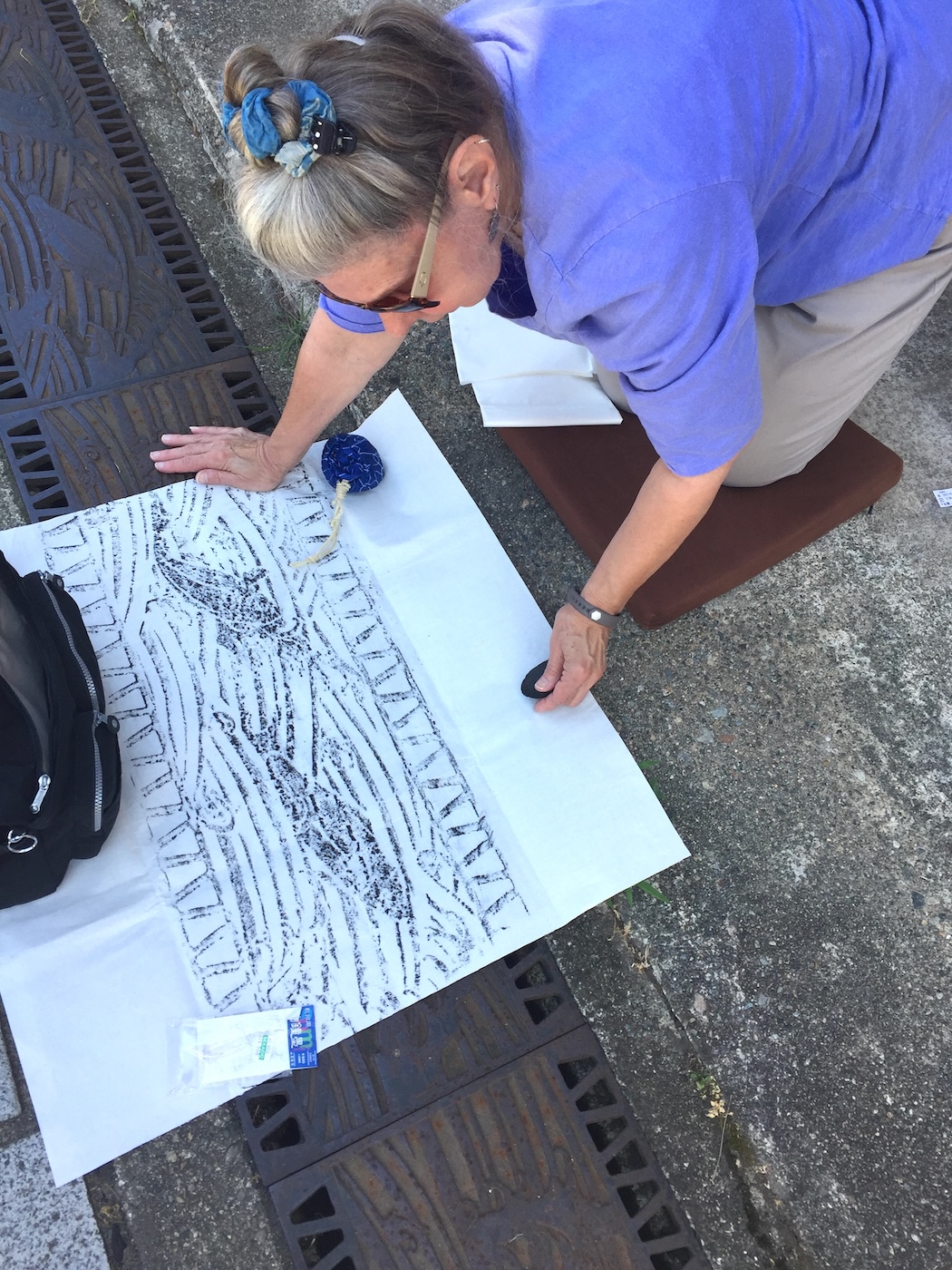
Brass rubbing of the ornate drain covers lining the Inami craft street
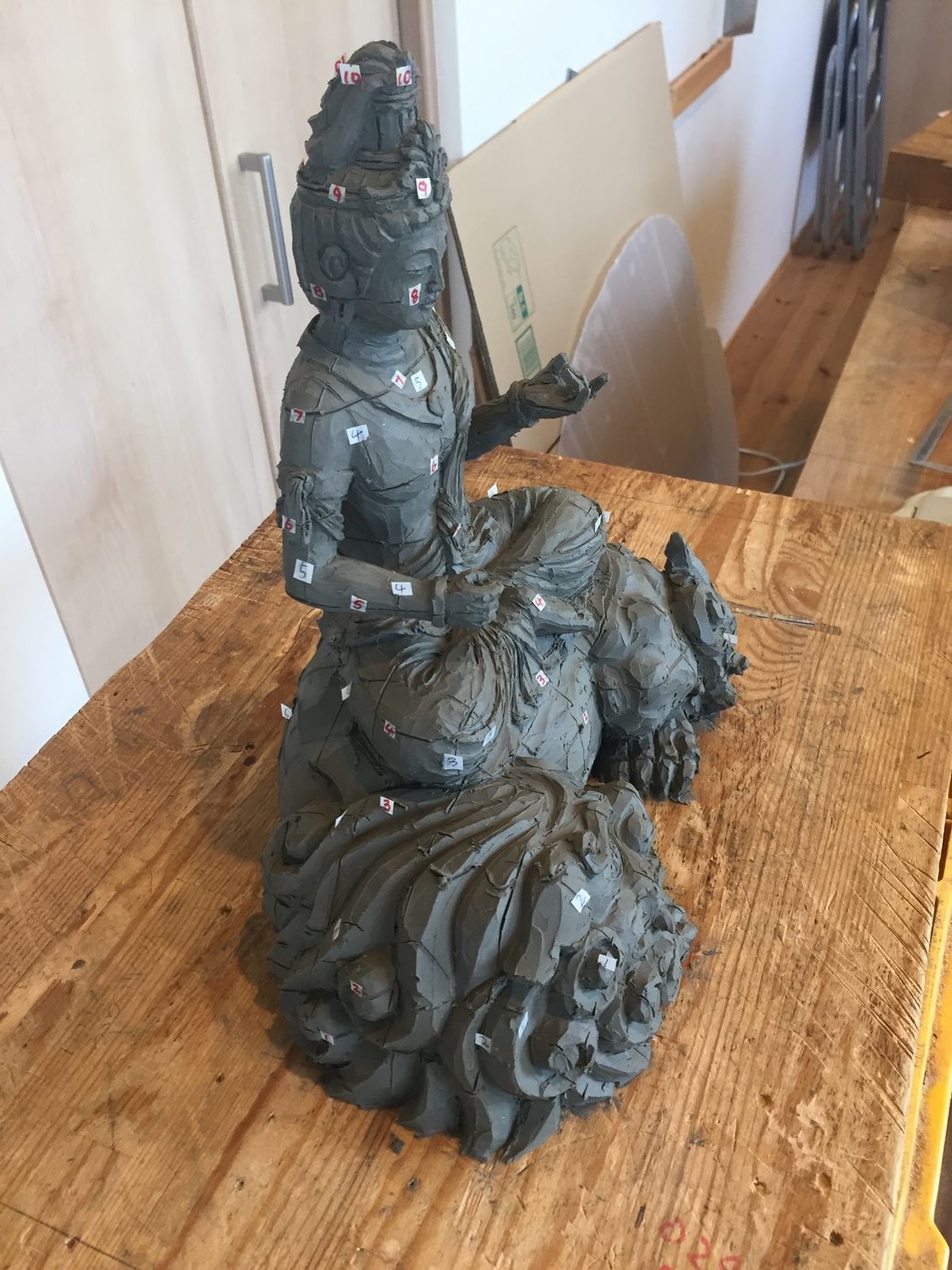
Clay model — the planning stage before chisel meets wood
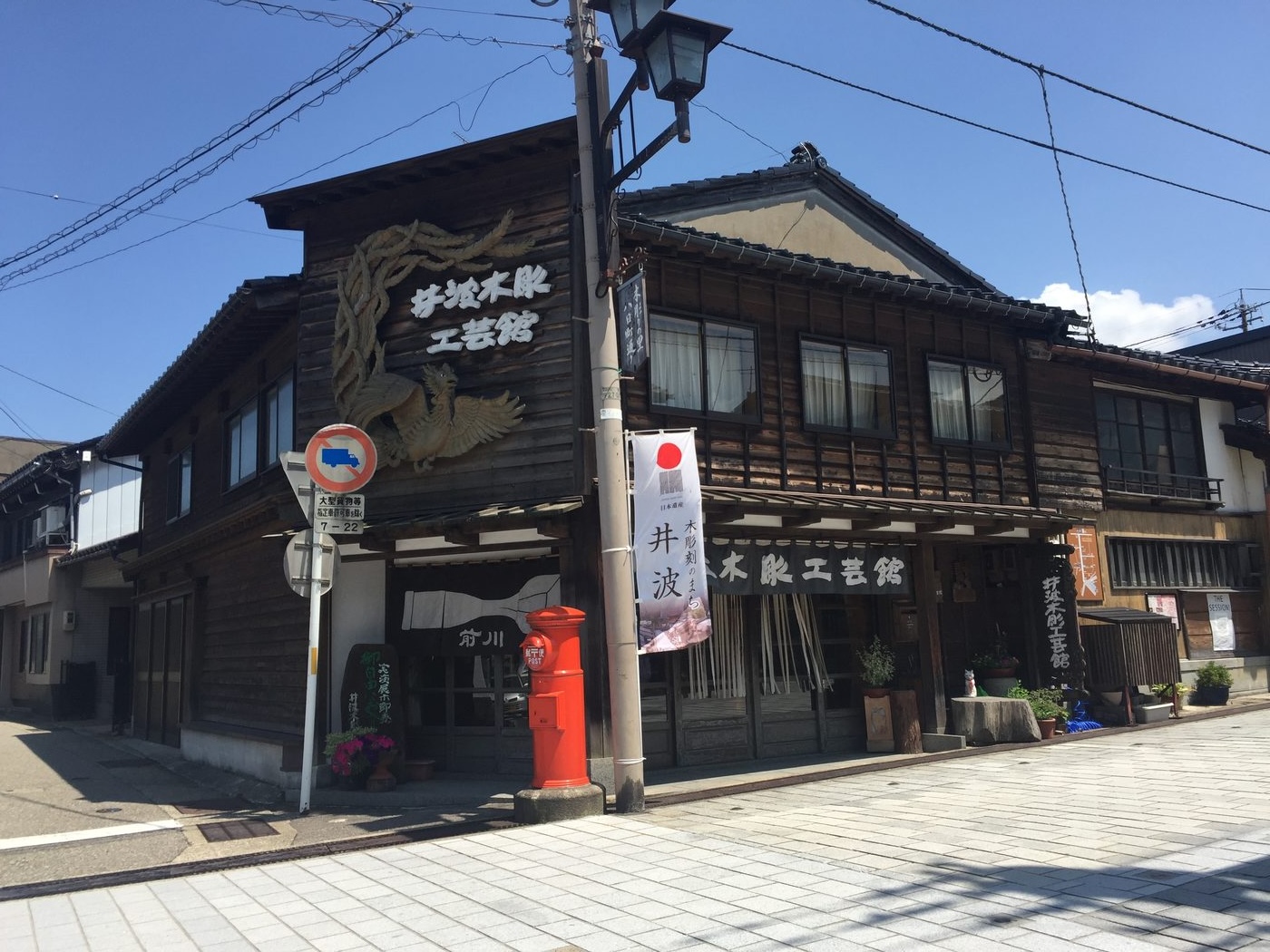
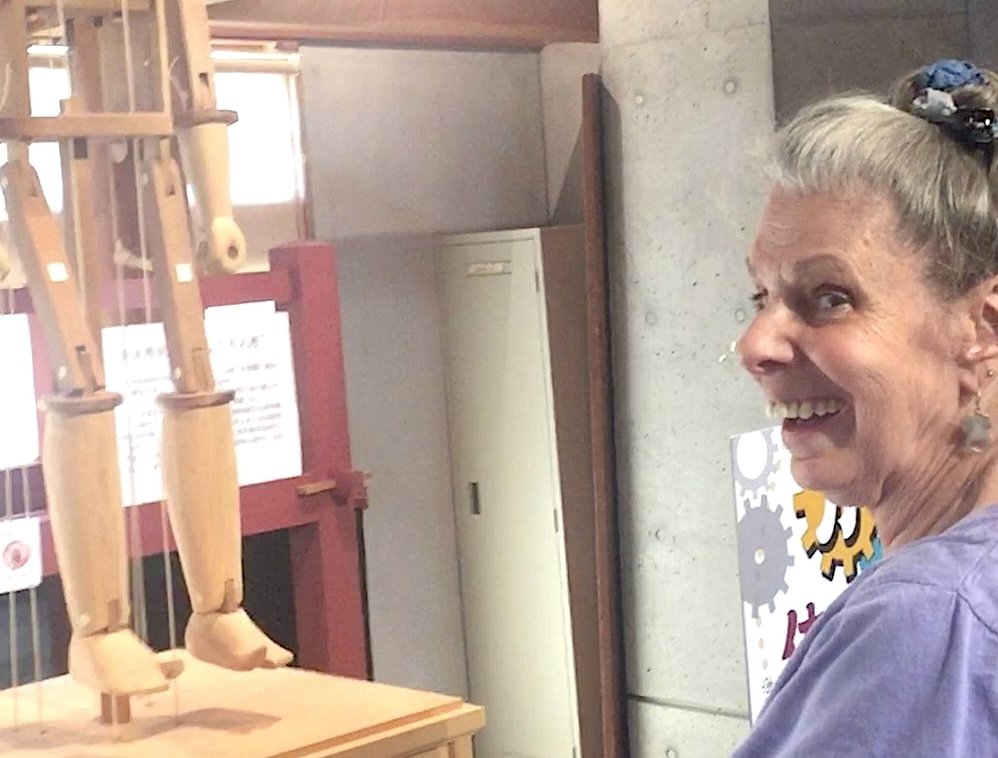
井波木彫工芸館 — Inami Woodcarving Museum
「わたしが興味を持った木彫刻師は、仏像モデルをまず粘土から彫り出し、その寸法を丹念に木材に写し取り彫り出す技法を教えてくれたのです。バケツに粘土を削り捨てること自体芸術ですが、仕上げの過程にすぎない。異国のこの地で、石原さんから学生への教え方を根本的に変えることを学びました。芸術に対するアプローチが文化的に異なることは手順や手法の違いとなりますが、芸術教育を考える上で異なるアイデアに触れる意義に気づかせてくれました…」 - バーバラ . エレンス 陶芸家 . 米国